
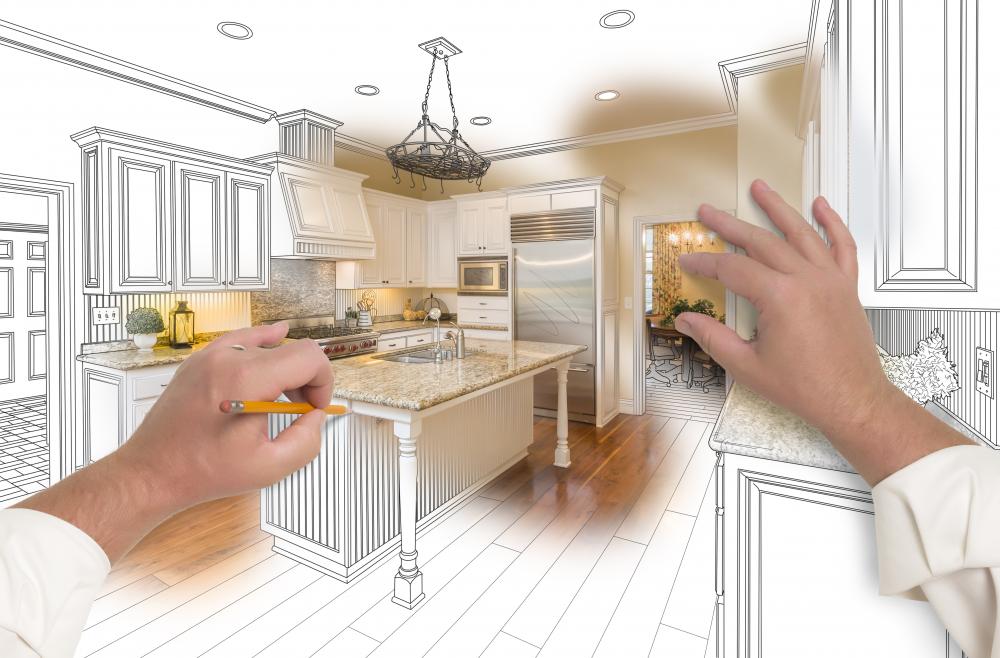
Introduction to Home Remodeling in Texas
Embarking on a home remodeling project in Texas can seem like navigating a vast desert without a map. Yet, with the right guidance, turning your living space into an oasis of comfort and style is entirely achievable. As a physical therapist who specializes in alleviating back and knee pain without surgery, medications, or invasive procedures, I’ve witnessed firsthand the impact a well-designed home can have on one’s health and well-being, particularly for those of us recovering from golf injuries or striving to maintain mobility.
In this article, we’ll delve into the essentials of home remodeling in Texas, offering insights from my professional experience and personal journey. By integrating ergonomic designs and wellness-focused concepts, we can create spaces that not only appeal to our aesthetic senses but also contribute to our physical health and recovery processes.
Planning Your Home Remodel in Texas
Understanding Local Regulations
Before diving into the world of home remodeling in Texas, it’s crucial to acquaint yourself with local building codes and permit requirements. Whether you’re constructing an addition or modifying the existing structure, complying with local regulations ensures your project proceeds without unnecessary hitches. From my professional viewpoint, incorporating accessibility and mobility features during the planning stage can significantly enhance your quality of life, especially for individuals managing back and knee issues or recovering from sports injuries.
Selecting The Right Contractor
Choosing a contractor who understands your vision and respects your health considerations is vital. Look for professionals with experience in creating ergonomic spaces that support wellness and recovery. Engaging a contractor who is not only skilled but also licensed and insured, safeguards your project and investment. In my experience, a collaborative approach to design and construction leads to the most satisfying and health-promoting outcomes.
Ergonomic Designs for Health and Wellness
Ergonomics plays a pivotal role in home design, particularly for those of us concerned with physical well-being and recovery. Implementing ergonomic principles can significantly reduce the risk of injuries, alleviate existing conditions, and promote a healthier lifestyle. Consider adjustable countertops for the kitchen or a walk-in, barrier-free shower for the bathroom. These modifications can make a world of difference for someone dealing with mobility issues or recovering from an injury.
Incorporating elements that promote good posture, enhance comfort, and facilitate movement can transform your home into a sanctuary of health. As a physical therapist, I suggest integrating features such as ample natural lighting, non-slip flooring, and therapeutic garden spaces. These aspects not only boost your physical health but also contribute to your mental and emotional well-being.
Sustainable Remodeling Practices
Adopting sustainable practices in your home remodeling project not only benefits the environment but also enhances your living space’s healthfulness and efficiency. Sustainable materials, such as low-VOC paints and bamboo flooring, reduce your exposure to harmful chemicals and support indoor air quality. Additionally, energy-efficient appliances and solar panels contribute to a healthier environment inside and out, aligning with my advocacy for a holistic approach to well-being.
Consider the use of recycled or locally sourced materials to minimize your carbon footprint. Implementing water-saving fixtures and creating spaces that maximize natural light can significantly improve your home’s energy efficiency and ambiance, making it a more uplifting space for recovery and relaxation.
Budgeting for Your Home Remodel
Effective budgeting is the cornerstone of any successful home remodeling project. It’s essential to establish a clear budget that accounts for unexpected expenses, which are commonplace in renovation projects. Prioritizing aspects of the remodel that impact your health and wellness can also guide your financial planning. For example, investing in ergonomic furniture and fixtures might take precedence over purely aesthetic enhancements.
Additionally, explore financing options and incentives for incorporating energy-efficient features into your home. These can offer not only immediate benefits but also long-term savings. Keeping a detailed record of all expenses and staying in regular communication with your contractor can help prevent budget overruns and ensure that your project aligns with your financial and wellness goals.
Maximizing Space and Functionality
Efficient use of space is crucial, particularly for those of us looking to create a home environment that supports health and recovery. Open floor plans, for example, can enhance mobility and reduce the risk of accidents. Custom storage solutions and multi-functional furniture also contribute to a clutter-free and harmonious living space, which is particularly beneficial for maintaining a calm and healing environment.
In my professional practice, I’ve seen the positive impact that a well-organized and thoughtfully designed space can have on an individual’s recovery journey, especially for golf enthusiasts dealing with injuries. Tailoring your home remodeling project to include physical wellness areas, such as a home gym or meditation space, can further support your health goals.
Conclusion
Home remodeling in Texas offers a unique opportunity to enhance your living environment in ways that support your health, wellness, and personal style. By carefully planning your project, incorporating ergonomic and sustainable designs, and wisely managing your budget, you can create a home that not only looks beautiful but also promotes your physical and emotional well-being.
Remember, integrating features that support your health doesn’t mean compromising on style or functionality. With the right approach, you can achieve a balance that reflects your personal taste while catering to your wellness needs. Whether you’re recovering from an injury or simply looking to create a more health-conscious living space, the journey of home remodeling in Texas can be deeply rewarding and transformative.

Can I remodel my own house in Texas?
Yes, you certainly can remodel your own house in Texas, but there’s a catch. While taking on such a project can be immensely satisfying and potentially cost-saving, it’s crucial to be aware of local building codes and permit requirements. From my perspective as a physical therapist, I’ve seen many clients dive into DIY projects without considering the ergonomic and health implications of their design choices. For example, someone recovering from a golf injury might benefit from specific modifications that aid in recovery, which might not be top of mind for the average DIY enthusiast. Remember, while the physical task of remodeling can be handled, ensuring the modifications support your health and well-being requires a bit more thought and planning.
What services are offered by Texas Home Improvement?
While I can’t speak for every company in Texas, most home improvement companies offer a wide range of services, from minor repairs to full-scale renovations. These might include kitchen and bathroom remodels, additions, exterior work like roofing and siding, and even landscaping or ergonomic improvements. Personally, in my practice, I’ve advised clients on ergonomic adjustments and have seen the benefits of working with professionals who understand the importance of creating spaces that promote healing and well-being, especially for those recovering from injuries or dealing with chronic pain. It’s about finding a contractor who respects your health considerations and incorporates them into the project.
Is home improvement the same as remodeling?
They’re related but not exactly the same. Home improvement generally refers to projects that enhance existing structures, which might include repairs, updates, and adding new features. Remodeling, on the other hand, involves changing the structure or form of a space. In my practice, I emphasize the importance of remodeling with well-being in mind. For instance, redesigning a kitchen might not just mean updating the cabinets and appliances but also considering adjustable countertops or ergonomic flooring that reduces strain for individuals with back or knee issues. So, while both aim to improve your living space, remodeling often takes a more transformative approach.
What is the difference between a remodel and a Reno?
The terms “remodel” and “reno” (short for renovation) are often used interchangeably, but there’s a subtle difference. A remodel involves changing the use of a space, which can include altering layouts and making substantial structural changes. Renovation focuses on restoring or updating a space without altering its original purpose or structure. From a health perspective, both offer opportunities to improve your living environment. For example, a renovation might improve air quality by replacing old windows, while a remodel could create a dedicated space for physical therapy exercises or rehabilitation from injuries like those common in golf injuries.
How can ergonomics impact home design and remodel?
Ergonomics, the study of people’s efficiency in their working environment, plays a critical role in home design, especially when remodeling. Incorporating ergonomic principles can significantly improve comfort, enhance safety, and reduce the likelihood of injuries. For someone like me, who specializes in alleviating back and knee pain, ergonomic home design is not just a preference; it’s a necessity. Considerations like the height of countertops, the type of flooring, or even the placement of windows can impact your physical health. For individuals recovering from an injury or those looking to prevent future injuries, ergonomic considerations are integral to a remodel that supports well-being.
Why should homeowners consider sustainable remodeling practices?
Sustainable remodeling is not just an environmental choice; it’s a health choice. Using low-VOC paints, for example, improves indoor air quality, making your home safer and more comfortable, particularly for those with respiratory issues or sensitivities to chemicals. As a physical therapist, I advocate for choices that support overall well-being, and sustainable practices fit right into this philosophy. Energy-efficient appliances and solar panels don’t just reduce utility bills; they contribute to a healthier, more sustainable lifestyle. Plus, sustainable materials often come from more natural sources, which can enhance the aesthetic and feel of your home, creating a serene environment conducive to recovery and relaxation.
Resources
- Texas Department of Licensing and Regulation – Visit this website to understand local building codes and permit requirements for home remodeling projects in Texas.
- National Association of Home Builders (NAHB) – The NAHB offers resources to help you select the right contractor for your home remodeling project.
- U.S. Environmental Protection Agency (EPA) – Greener Products – Learn about sustainable materials and practices for your home remodeling project to enhance your living space’s healthfulness.
- U.S. Department of Energy – Explore financing options and incentives for incorporating energy-efficient features into your home during the remodeling process.
Webster
TX
77598-5345